
You want this tool to work like new every time you reach for it. Below is a quick checklist to keep on your station: storage habit, cleaning step, what to avoid, and replacement signs.

Store Where It Stays Dry and Visible
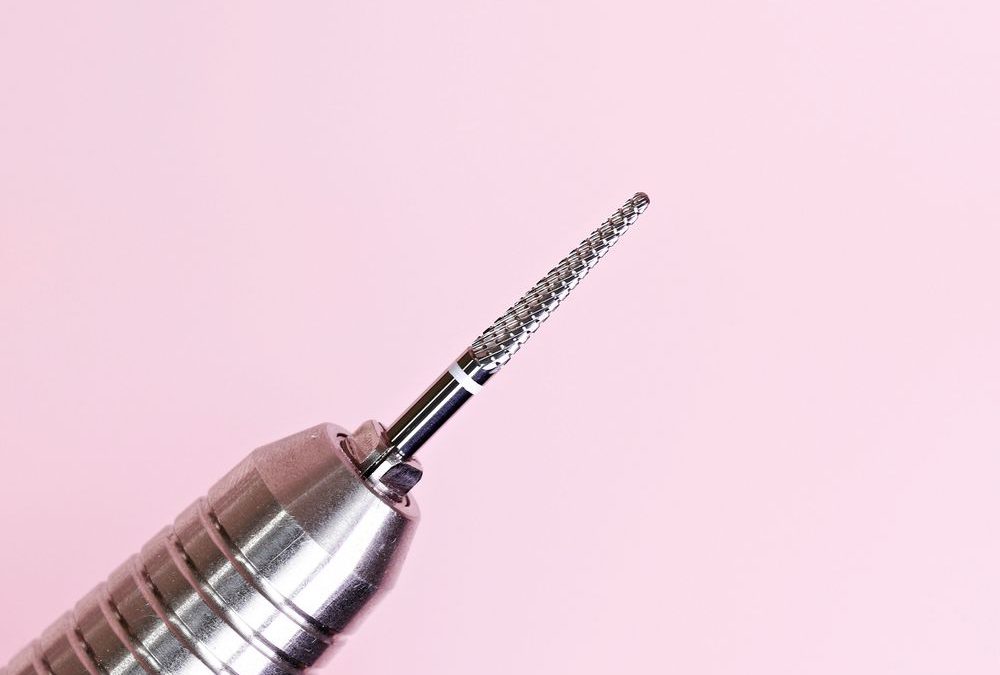
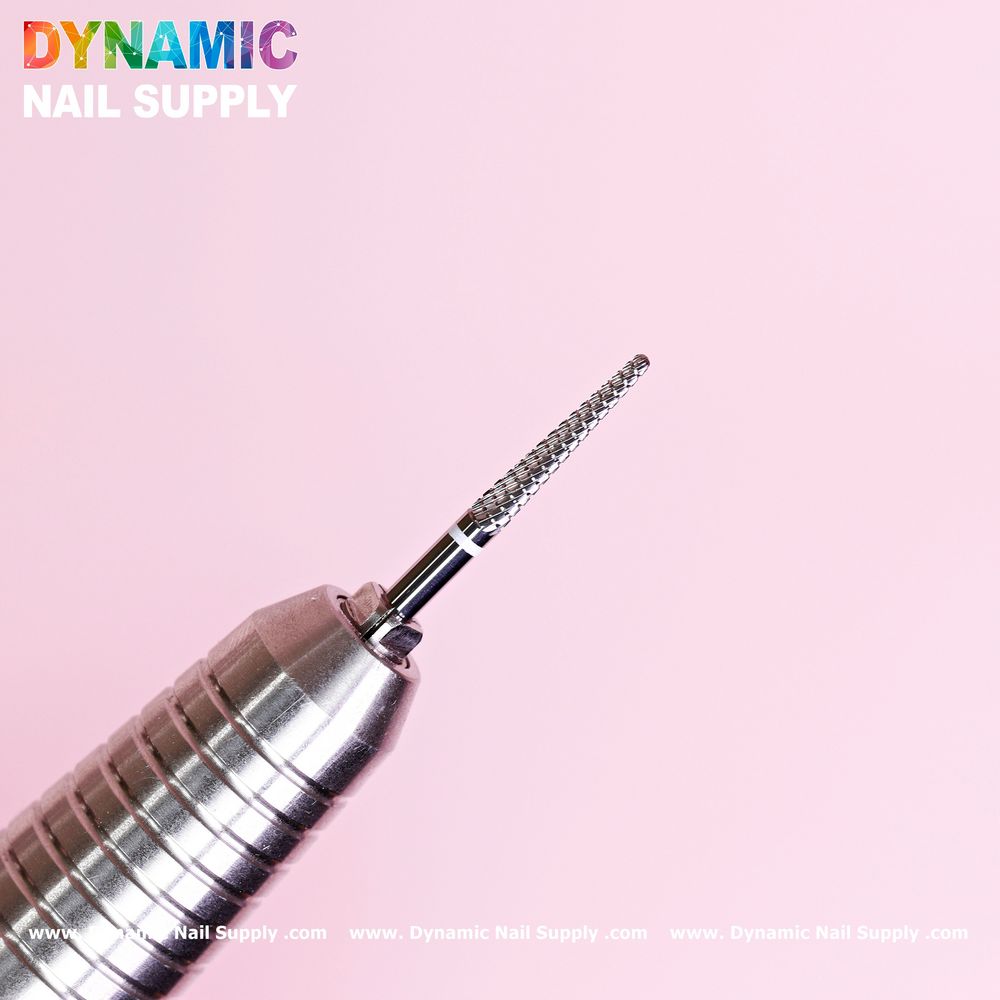
Keep the bit in a dry drawer or a clear container so you can see the chrome finish and the long tapered pointy head at a glance. The image of the tool shows a highly reflective metal surface with fine milled flutes — you want to protect that detail. A small tray with compartments or a labeled slot in a foam holder works well. If you prefer a roll-up case, use one with individual pockets so the tip doesn’t press against other bits.
Avoid These Conditions That Speed Wear
- Humidity: Moisture can cause surface corrosion over time and dull the fine cutting edges. Store bits in a low-humidity spot and consider a small silica gel packet in the container.
- Loose storage: Tossing bits together allows tips and flutes to rub and chip. Keep each bit separated.
- Harsh chemicals: Strong solvents and bleach can harm finishes and remove any protective coatings. Use gentle cleaners made for salon tools.
- Extreme temperatures: Avoid leaving the bit near heat sources or in a car where metal can expand and contracts repeatedly.
Cleaning and Quick Care on Your Station
After each client or use, remove debris from the spiral textured cutting edges. Use a small stiff brush to clear dust and acrylic residue from the flutes. For a deeper clean, soak briefly in a mild tool cleaner or an approved disinfectant designed for metal tools, then dry thoroughly. You can follow up with a quick visual check under good light to confirm the chrome-like surface still reflects evenly.
How to Organize the Bit for Fast Workflow
Arrange bits by grit and shape on a tool tray so you can grab the pointy carbide head when you need to seal cuticle contours or work underneath nails. Place the Fine Grit Pointy Bit where you store cleaning and finishing bits — near your drill handpiece but in its own pocket. Use a small label noting the grit and intended use to avoid accidentally using it for heavy removal tasks.
Safety and Handling Notes
- The long tapered point is sharp; handle the tip carefully when inserting or removing the bit from the handpiece.
- Wear eye protection during use to protect against flying particles from acrylic or gel residues.
- Do not use a damaged or bent shank in a handpiece — this can cause vibration and unsafe operation.
Signs It’s Time to Replace the Bit
Watch for these clear signs that the bit needs replacement:
- Visible rounding or chipping on the tip or flutes. If the long tapered head looks dulled or the fine teeth are flattened, it won’t seal cleanly.
- Excessive heat during normal use. If the bit runs hotter than usual despite correct speed and pressure, the cutting edges may be worn.
- Pulling or tugging instead of smooth skimming. A worn bit will feel rough and can snag soft tissue or product.
- Corrosion or pitting on the chrome-like finish. Surface damage can hide deeper wear and affect performance.
Simple Replacement Rhythm
Rather than guessing, schedule a quick visual check weekly if you work on multiple clients, and after any heavy duty use. At a price point like the current listed $7.49 (prices may change), it’s practical to swap out a bit as soon as you notice wear, rather than risk uneven finishes or slowed service time.
Mini Glossary
- Flutes: The spiral textured grooves that cut and carry debris away.
- Shank: The straight part that fits into the handpiece chuck.
- Grit: The coarseness of the cutting surface; fine grit is for smoothing and finishing.
- Pointy head: The long tapered tip used for precise sealing near cuticles and underneath nails.
Final Checklist Before Closing Your Station
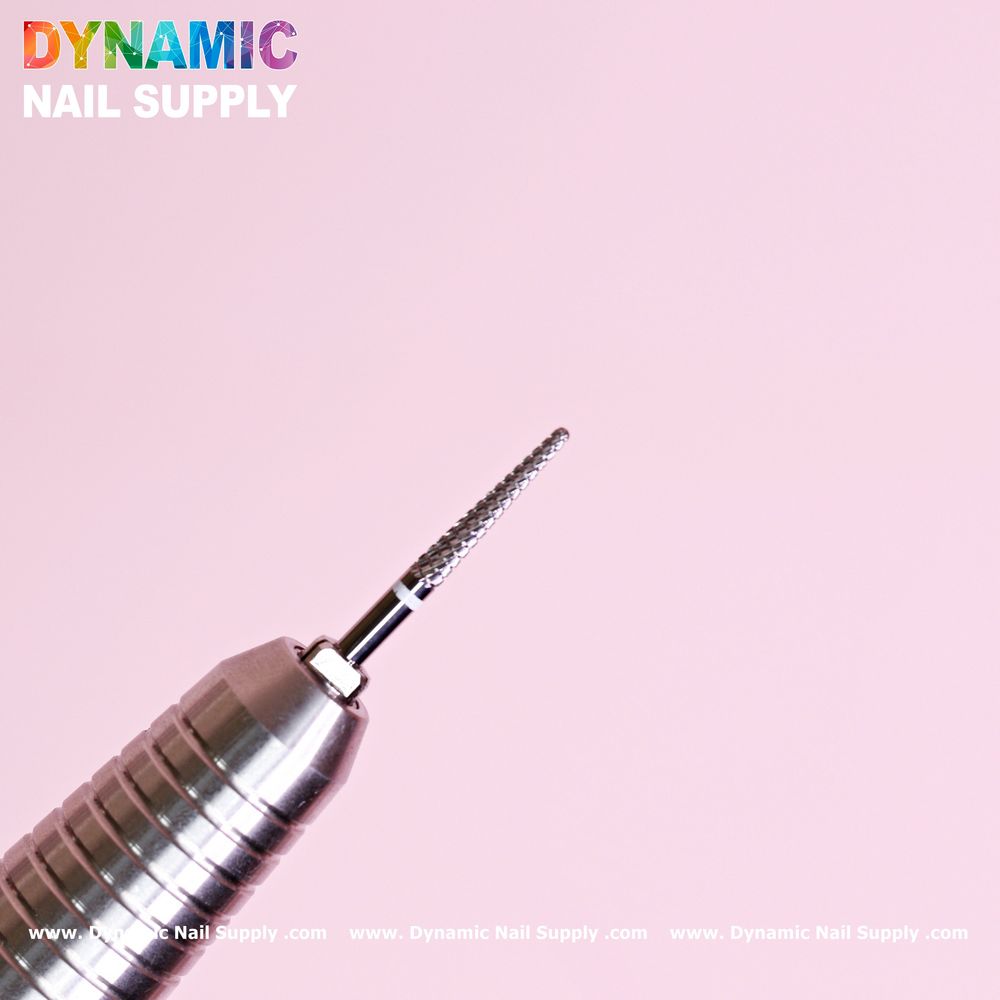
Wipe the bit clean, dry it completely, return it to its labeled pocket, and note any changes in performance. If you liked the look and handling of this shiny, chrome-finished pointy tool, consider keeping an extra on hand so you don’t pause a client session searching for a replacement.
For specific product placement or to reorder this exact pointy carbide option, see this listing for details and availability here: pointy carbide bit chrome
Takeaway: Store dry, keep it separate, clean and check the tip—replace when cutting edges dull.