
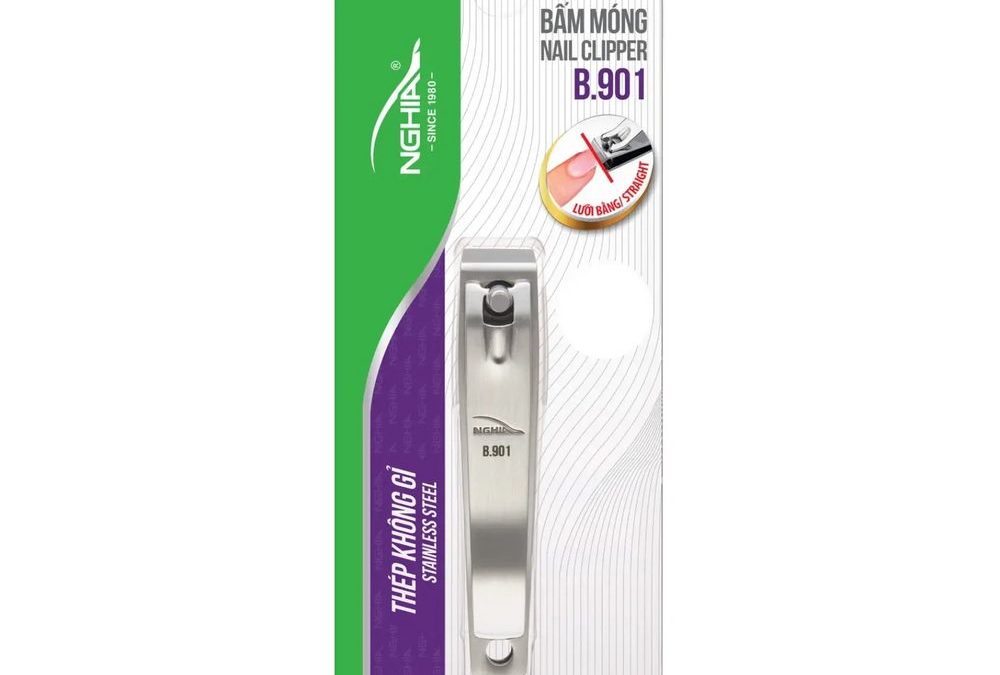
Want to keep a heavy-duty straight blade clipper working like new? This how-to covers where to store it, what to avoid, how to set it up on your station, and clear signs you should replace it. Stick around for a short checklist you can follow after each shift.
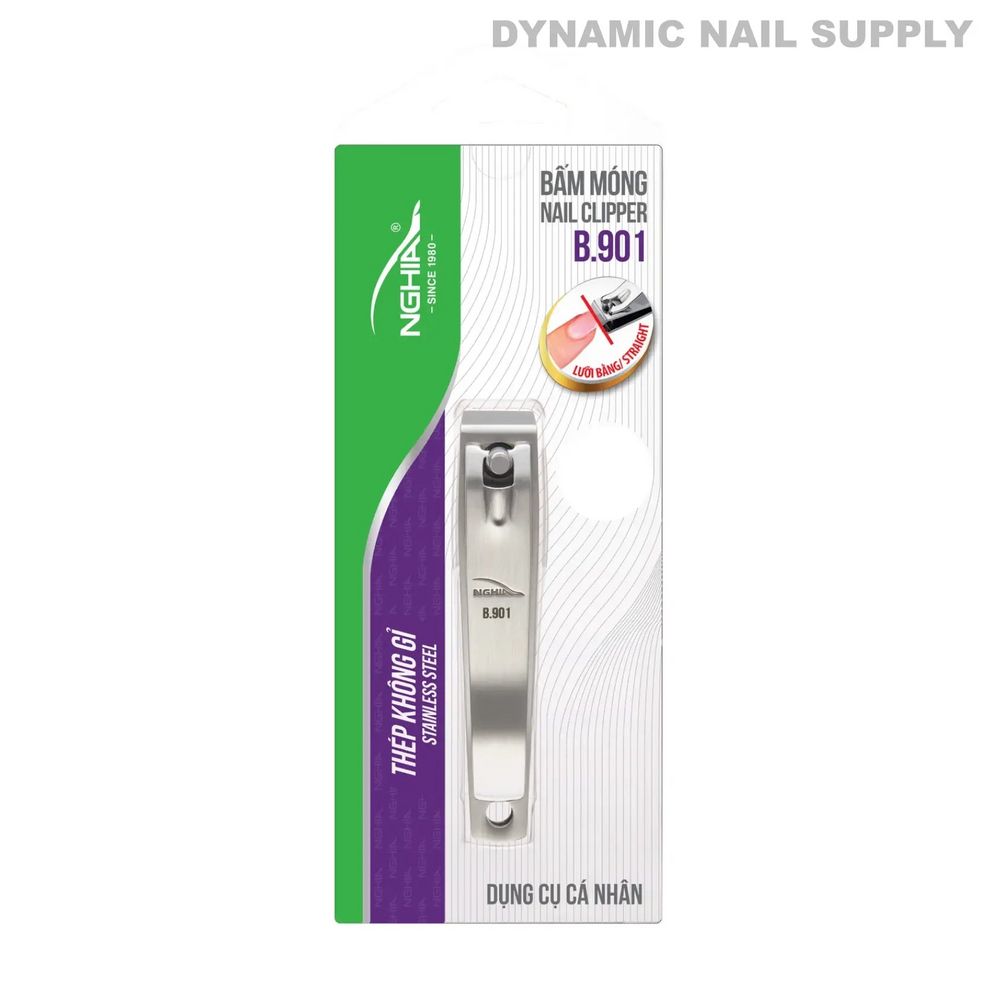
Protect the blade to keep cuts clean
Your clipper has a wide, straight cutting edge made for thick or acrylic nails. The most important rule is to prevent nicks and bluntness. Store the tool in a dry, padded spot where the blade won’t contact other metal items or hard surfaces. A small zip pouch, a foam-lined drawer insert, or a dedicated slot in a tool tray works well.
When you put it away after use, close the lever fully and lay the clipper flat with the cutting edge facing up or sideways so the blade doesn’t rub against anything. If you keep many stainless tools together, separate them with thin cloth or silicone pads to avoid dulling from bumps and edge-on contact.
Avoid moisture, chemicals, and extreme heat
Surgical-grade stainless steel resists rust, but it still benefits from sensible care. Keep the clippers in a dry place — avoid humid shelves or open areas near sinks. Don’t store them next to corrosive chemicals like strong solvents or bleach; fumes can affect finishes over time. Also steer clear of direct sunlight or hot equipment pockets that could warp packaging or soften any nearby plastics.
After a damp shift or a disinfection cycle, dry the clipper fully before returning it to storage. Air-dry on a clean towel or use a lint-free cloth to remove spots of moisture. This step helps maintain the matte brushed finish and keeps the hinge moving smoothly.
Organize your station for speed and safety
On a busy station, you’ll want this large straight blade clipper within reach but out of the way of passing elbows. Keep it in a shallow, labeled tray near your cutting and filing area. Place it on the side corresponding to your dominant hand so you don’t cross tools when working.
Create a layout that separates cutting tools from files and buffers. Use small dividers or magnetic strips to hold scissors and clippers in place. If you sterilize tools between clients, allow a clean-only zone where disinfected items sit on a sterile cloth or tray. For easy identification, store the clipper where the brushed stainless finish contrasts with the background — a pale surface like the photo’s soft pink backdrop makes it simple to spot.
Clean, lubricate, and inspect on a routine
Wipe the clipper after each use to remove dust, nail fragments, and oils. Use a soft brush or cloth to clear the blade edge and hinge area. If you autoclave or chemically sterilize, follow the product’s compatibility and dry the tool thoroughly afterward. A tiny drop of light machine oil at the hinge every few weeks can keep the action smooth; wipe off excess oil so you don’t leave residue on work surfaces.
Inspect the cutting edge for chips or folds. Test the action: the lever should move smoothly and snap back without wobble. If you notice stiffness, visible corrosion spots, or a loose pivot, address that before the next client.
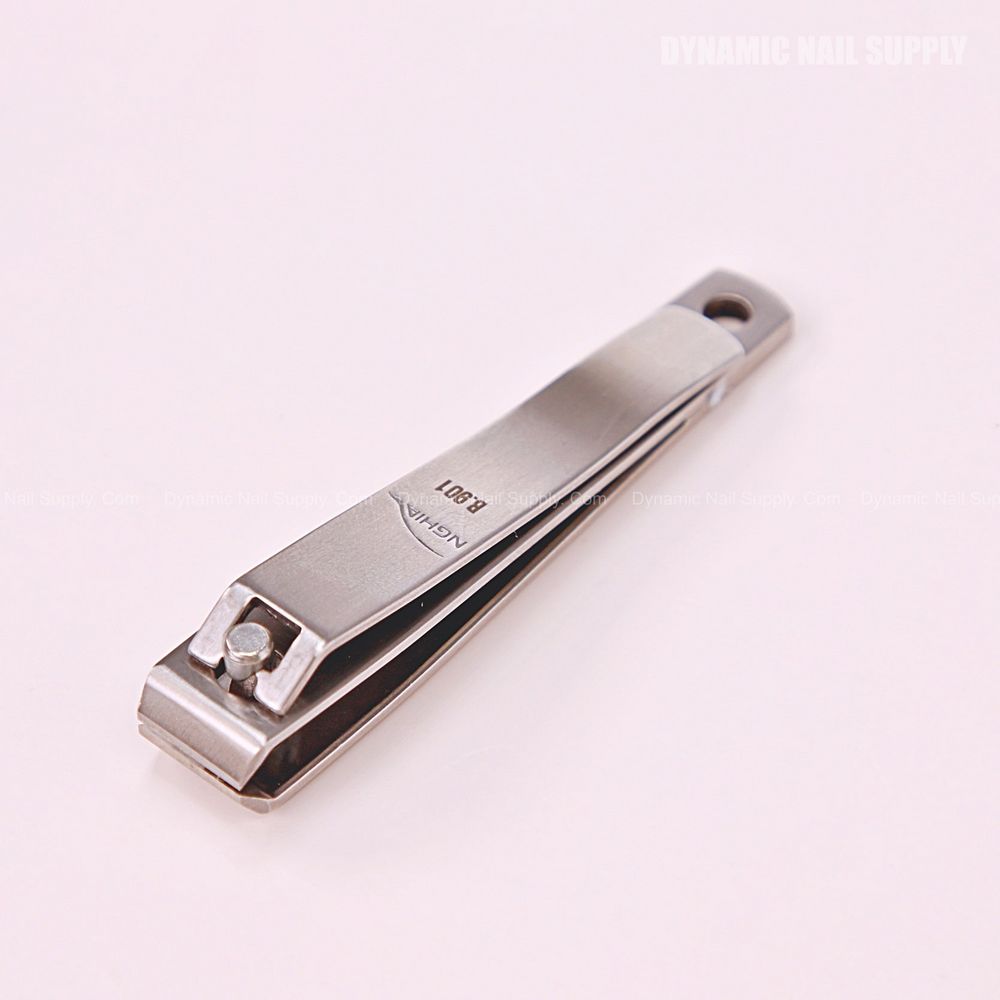
For a reliable heavy-duty option you can store and service easily, consider straight blade large clippers.
Know the signs it’s time to replace the clipper
Replace the tool if the cutting edge no longer gives clean, straight cuts or if it tears and splinters nail edges. Other clear signs are a bent blade, persistent wobble at the hinge, deep corrosion that won’t clean off, or a blade that doesn’t close flush. In a professional setting, prioritize replacement over makeshift repairs—clean cuts protect clients and save time.
We find it helpful to set a routine check every few months and keep one backup clipper ready during busy periods. The B901’s heavy-duty design means it often lasts longer than small, thin models, but no tool is immune to wear.
How to store this large straight clipper during travel
When you take the clipper to appointments, pack it in a small hard case or a padded pouch to guard the straight blade. Avoid tossing it into a bag with other metal tools. For short trips, wrap it in a clean microfiber cloth and place it flat so pressure from other items doesn’t bend the blade.
Quick checklist you can follow after each use
- Wipe blade and hinge of debris and moisture.
- Dry completely before storage.
- Place in padded slot or pouch, blade protected.
- Keep away from harsh chemicals and heat.
- Check action and edge weekly for signs of wear.
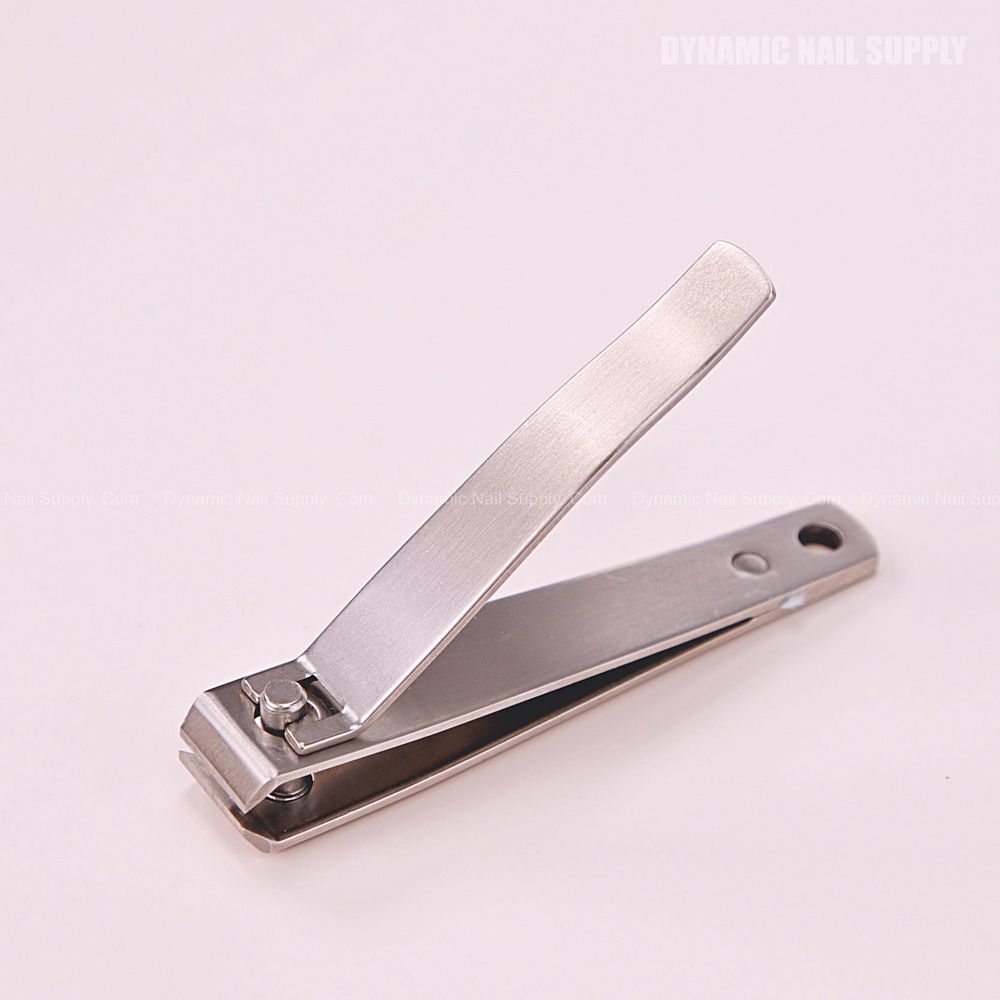
Mini glossary
- Straight blade — A wide, flat cutting edge for straight trims.
- Hinge action — How smoothly the lever moves and returns.
- Matte finish — A low-sheen brushed metal surface that resists visible smudges.
- Autoclave compatibility — Safe to sterilize in high-heat steam when stated.
Price note: this type of professional large clipper is commonly offered at an affordable price (listed at $6.99 at the time of writing; prices may change).
One-line takeaway: Store the clippers dry, padded, and checked regularly so they keep cutting clean and true.