
Want a quick checklist to demo a pro-level tool and turn a simple consult into an upgraded cuticle or corrective trimming service? This walkthrough shows how to present the D07 – Jaw 16 Dynamic stainless steel remover, stage it on your station, demo a short technique in front of the client, and explain care and retirement signs. Use this as a script and a setup list.
Show confidence with a clean, professional presentation
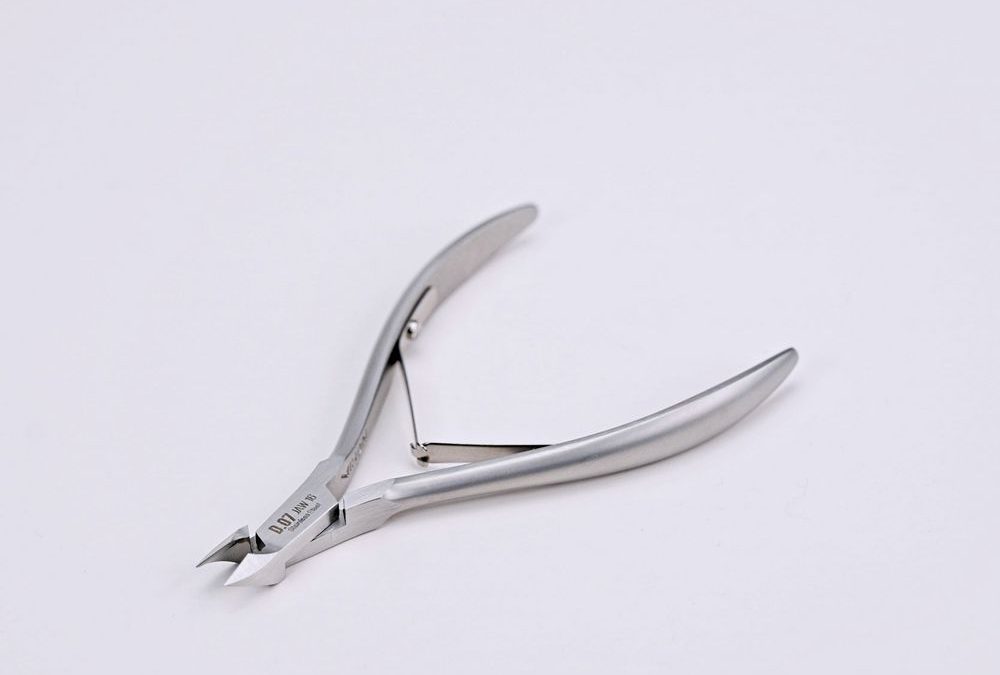
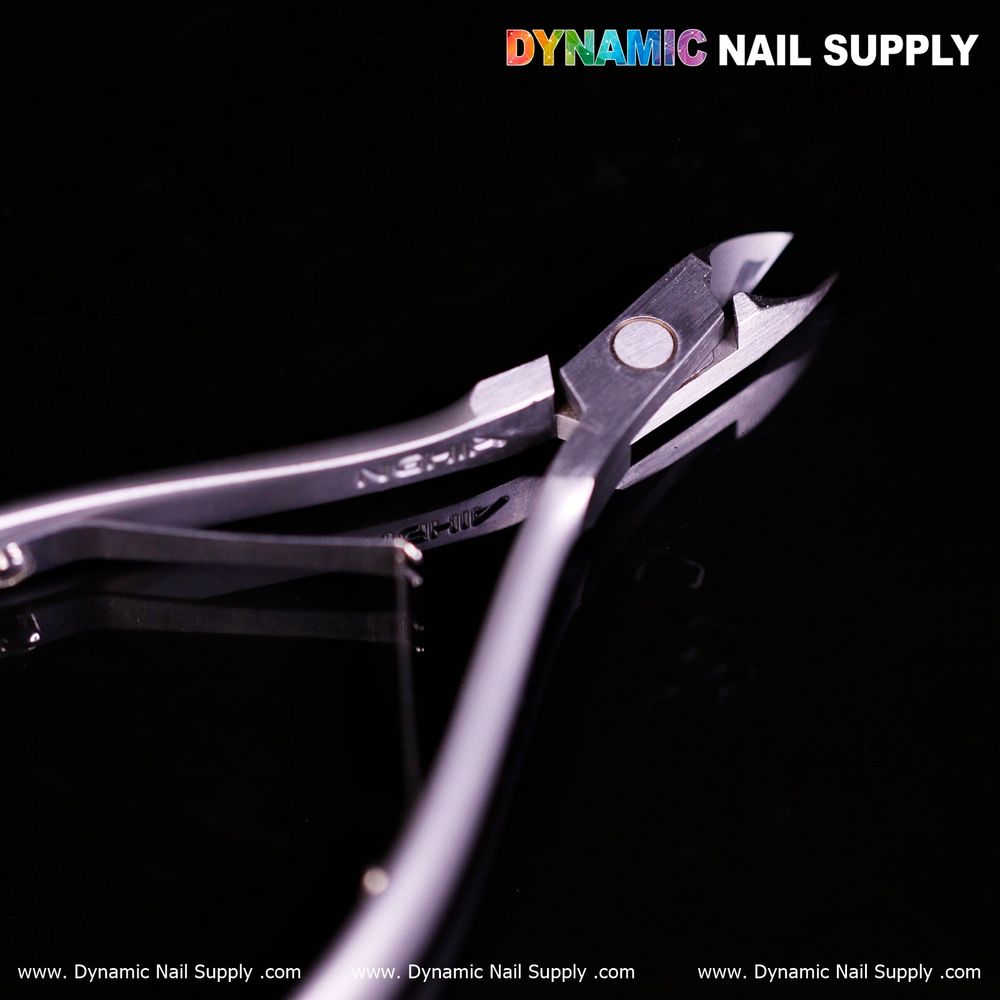
Start by placing the D07 Jaw 16 stainless steel remover on a small tray so the metal finish reads clean and clinical. The tool’s satin chrome-like surface and the bright lime-green tag on its packaging make it easy to spot; let those visual cues lead the conversation. Keep the background pale and neutral so the jaw, cutting edge, and curved handles are obvious to the client.
Say: “This is a Jaw 16 stainless steel cuticle nipper—built for deeper, precise trimming.” Briefly state the benefit: thicker or ingrown cuticles get more accurate trimming with a full jaw. Keep sentences short and confident.
Use a simple demo script that highlights performance
Clients respond to clear, short descriptions paired with a safe demo. Follow a three-step mini-demo: observe, show, and explain. First, observe the area around the nail and describe what you see. Second, angle the nipper so the client can see the satin finish and pointed jaw. Third, demonstrate a single, controlled trim on a practice finger (or on your gloved finger if you must) while narrating the motion.
Keep your script to one or two lines each step, for example:
- “I’ll remove just the loose dead skin to make polish sit cleaner.”
- “Watch the angle — I keep the blades close to the nail fold and use a tiny bite.”
- “This tool has a smooth joint and spring so the cut feels controlled, not jerky.”
Arrange your station to upsell without pressure
Organization tells a client you’re professional and worth a premium. Place the nipper next to your disinfectant station, a clean towel, and a small lamp. Stack two backup tools parallel to the D07 so clients see you are prepared. Use a labeled tray so the lime-green tag and the royal-blue label on the packaging are visible — this reinforces the idea of a pro-grade instrument.
Position a short card with service options: standard tidy (push and buff), precision trim (two-minute nipper work), and corrective trim (for ingrown issues). Point to the card after your demo to invite the upgrade.
Explain storage and tool care that supports professionalism
Tell clients you keep tools in top condition and explain why it matters. You can say: “I store this stainless steel nipper dry and protected so the edge stays sharp and it’s ready for sterilization.” Describe where you store it: a closed drawer or a small protective sleeve inside a sanitized box. Avoid damp, humid areas or leaving the tool loose in a sink or wet tray.
Note: this tool is crafted from surgical-grade stainless steel, which tolerates sterilization methods commonly used in salons. Emphasize that proper storage preserves performance and appearance.
Point out conditions that reduce performance
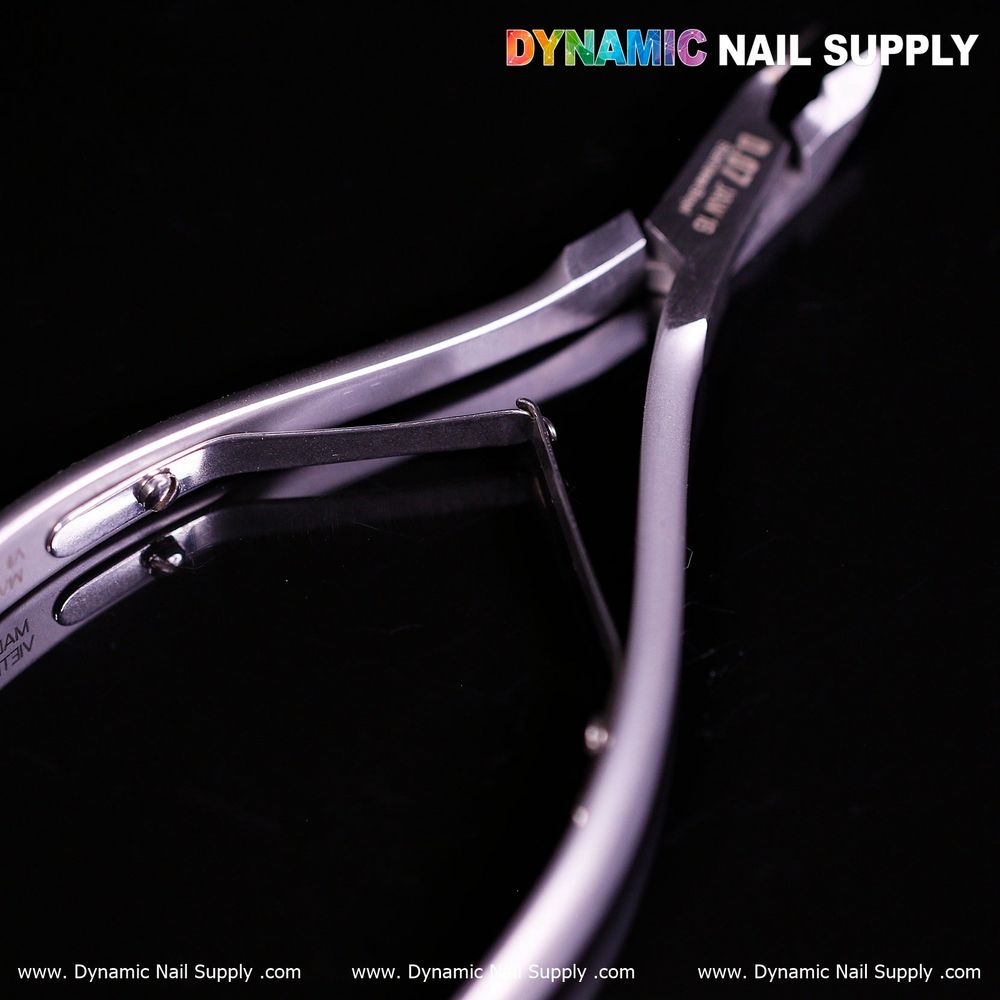
Teach clients what shortens a tool’s life so they understand why you charge for advanced trims. Mention these avoidable conditions: exposure to standing water, salty steam, or abrasive cleaners that remove protective coatings; leaving the tool in an open, cluttered drawer where the jaw can bump other metal; and skipping routine disinfection that can leave residues on the hinge.
These are practical reasons the nipper needs careful handling, and clients will accept a small service upcharge when they see you prioritize care and hygiene.
How to organize multiple tools on your station for quick, safe service
- Primary tray: display the D07 Jaw 16 at the front with the jaw facing upward so clients see the pointed edge.
- Sanitation zone: keep disinfectant wipes, a covered bowl for sterile tray swaps, and a metal case for autoclaved tools close by.
- Backup row: two alternate nippers with different jaw sizes aligned behind the primary tool for quick swaps.
- Service card: visible pricing and short benefits so clients can upgrade immediately after the demo.
Signs the nipper should be replaced or serviced
Teach clients the red flags you watch for, and why you retire or service a tool. Replace or service if you notice: the blades no longer meet cleanly, cuts leave ragged edges, the spring or joint is loose or noisy, visible corrosion under the protective coating, or the cutting action tugs rather than slices. These issues reduce safety and precision, so they’re valid reasons to decline a precision trim until the tool is fixed.
Safety and post-demo handling notes clients appreciate
Always stress that the demo is visual and brief. Explain that you use gloves during actual trims and that the tool is sterilized between clients. Advise clients with active infections, open wounds, or severe ingrown nails that a referral or different approach may be safer. Keep the tone calm and professional.
Mini glossary
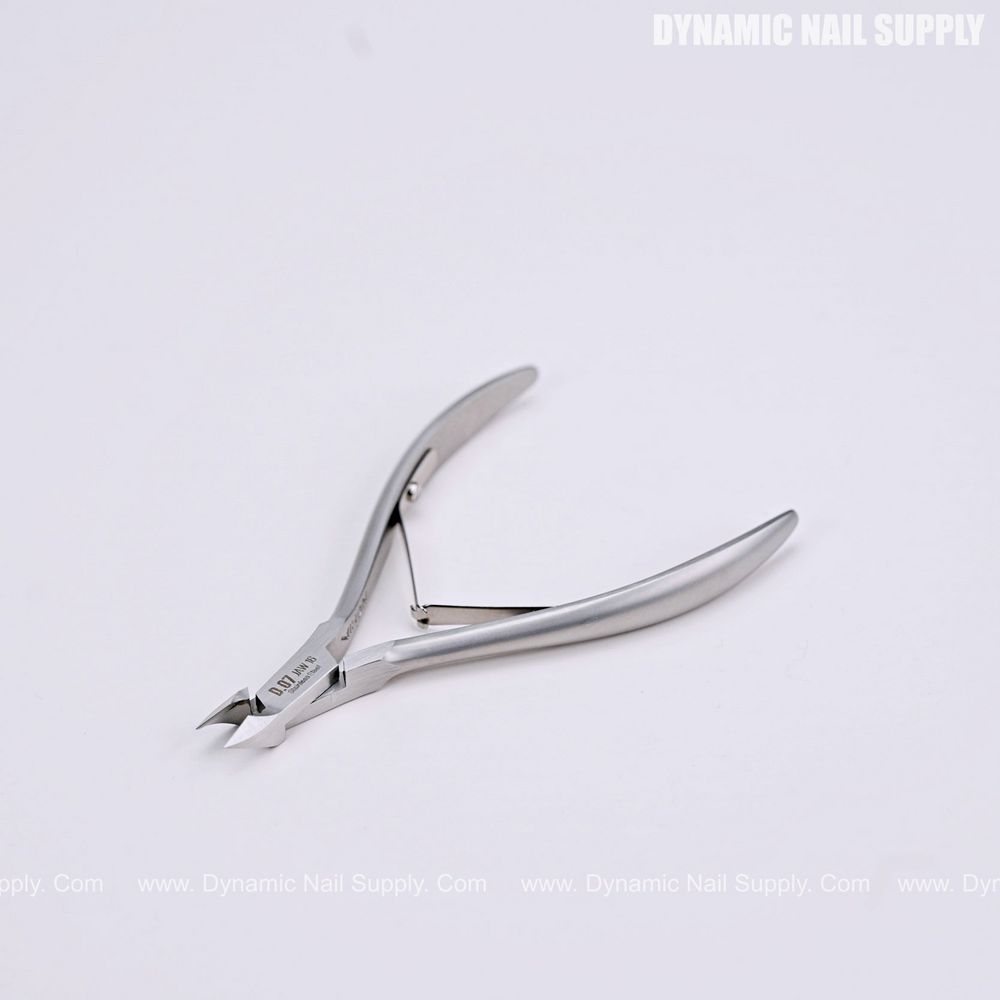
- Full jaw: Larger cutting surface for deeper trimming.
- Surgical-grade stainless steel: Metal that accepts sterilization without quick rusting.
- Protective coating: A finish that helps resist corrosion on the nipper.
To link this demo to the exact tool we recommend, here’s where to find the model and details for client education and retail display: Jaw 16 stainless steel nipper
One-line takeaway: A confident, short demo of the D07 Jaw 16 stainless steel nipper, combined with clear storage and safety talking points, makes clients comfortable upgrading to precision trimming.